

Challenging the Canon: Outsider Art Today with Elizabeth Denny
Outsider Art has often been framed as marginal or oppositional. How does the Outsider Art Fair approach that legacy without freezing the work in those terms?
Elizabeth Denny: Outsider Art is often framed as marginal or oppositional, but the field is far more interconnected with the broader art world than that suggests. “Outsider” is not simply the opposite of “insider,” and it doesn’t stand in opposition to the art world or to trained artists—many of whom are among the fair’s biggest supporters.
Outsider artists are artists, and they belong at the center of cultural conversations. We’re increasingly seeing this reflected institutionally, Marlon Mullen recently had a solo exhibition at MoMA (2024–25), Minnie Evans’ solo show travels from the High Museum of Art in Atlanta to the Whitney Museum this summer, Henry Darger is the subject of a production at Vineyard Theatre in New York, and Nnena Kalu recently won the Turner Prize.
At the same time, the Outsider Art Fair remains essential because it gives visibility to a diverse range of self-taught, Indigenous, neurodivergent, and artists with disabilities, creating the moments of discovery that often lead to broader recognition.
Can you walk us through the special programming and curated spaces this year? What prompted those additions or shifts?
Elizabeth Denny: There’s a lot of special programming this year that we’re excited about. For the first time we’re hosting OAF Talks at the venue on Friday during the fair, and we’ll also offer an ASL tour of the fair on Saturday at noon. We’re also co-hosting a breakfast with Pure Vision, an incredible progressive studio just around the corner from the fair.
All of these events are open to OAF ticket holders. Each one helps us welcome and celebrate different parts of the field—from artists and studios to scholars and audiences discovering this work for the first time.

What distinguishes the Outsider Art Fair’s curatorial logic from other fairs, especially when it comes to context, interpretation, and historical framing?
Elizabeth Denny: Visitors come to this fair to be inspired and to discover artists they would not encounter at another art fair. Discovery is really at the center of our curatorial logic.
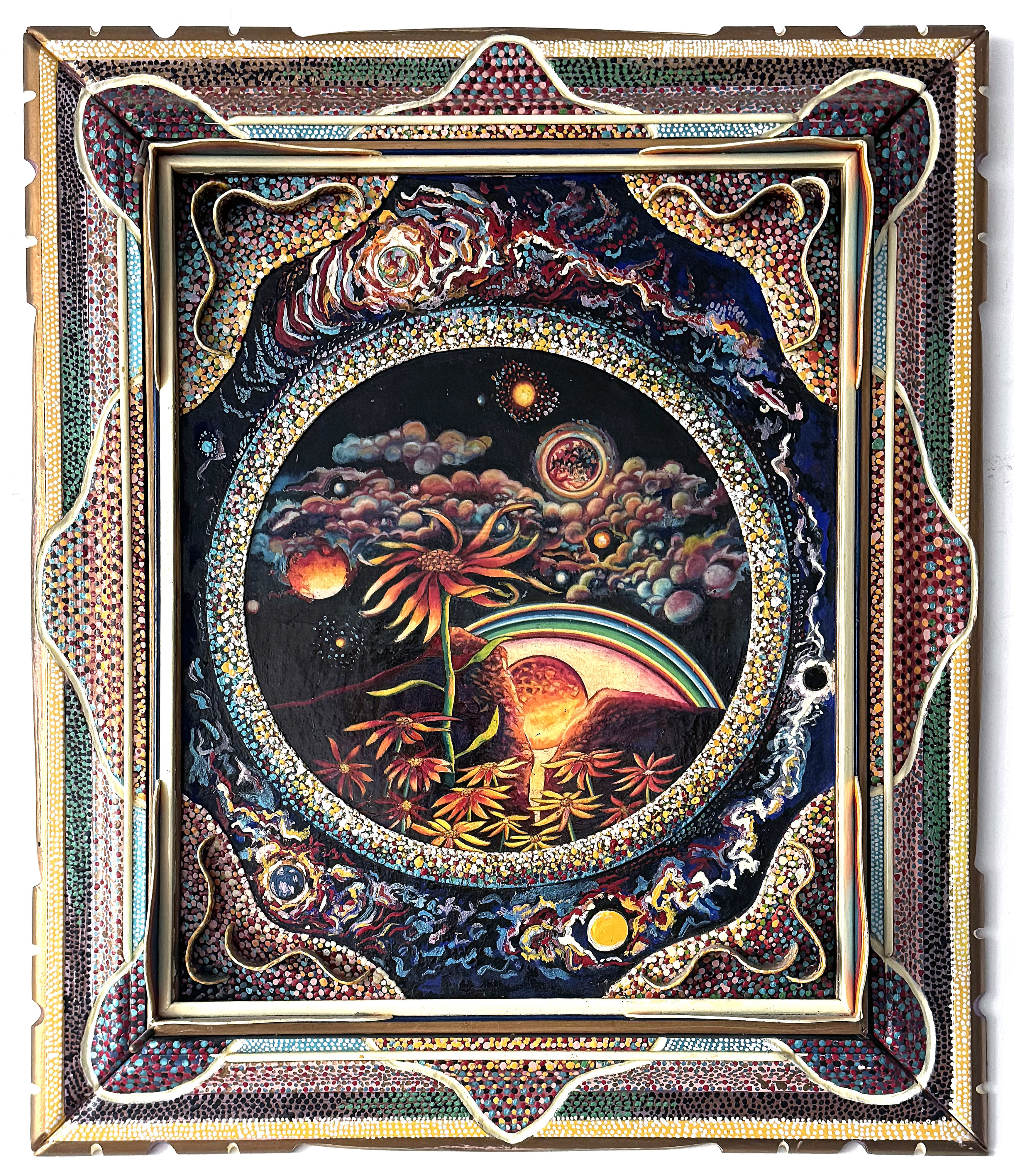
We also have a passionate group of dealers who treat this fair as the highlight of their year and often bring new historical discoveries. This year, for example, Andrew Edlin Gallery is presenting Robert Coutelas (1930–1985), a Parisian artist never before shown in the United States whose intricate paintings were inspired by tarot cards. Norman Brosterman is showing Raoul Hardie (1943–2025), a longtime DJ who filled his small Upper West Side apartment with remarkable painted high-relief constructions.
The fair creates a context where these kinds of unexpected histories can surface and be understood within a broader conversation about self-taught and outsider practices.

The term “art brut” has a complicated history. When you think about its origins, what feels most important to preserve, and what feels necessary to question or move beyond today?
Elizabeth Denny: The Outsider Art Fair embraces the diversity of its exhibitors and artists. We have galleries focused on historic art brut, progressive studios, folk art galleries, and contemporary galleries working with self-taught artists. Those different perspectives make the fair a particularly rich place of discovery.
One idea from the origins of art brut that still feels powerful is the notion of rawness—work that emerges from the body and mind rather than from a framework of how it should fit within art history or align with contemporary trends.
At the same time, aspects of the term that imply total isolation or naïveté feel dated today. In the age of globalization and the internet, very few artists are truly disconnected from the broader world.
.jpg)
Over the years, how have you seen institutional interest in art brut and outsider art evolve, and how has the fair responded to that shift?
Elizabeth Denny: The fair has always been well attended by curators, but what’s changing is how institutions are integrating this work into their collections and narratives. For example, the High Museum of Art recently re-curated its American wing to incorporate self-taught and folk art more fully into the broader history of American art.
Looking ahead, what questions is the Outsider Art Fair most invested in asking next, rather than answering?
Elizabeth Denny: When the fair is at its best, it reveals artists and practices that other fairs—and even institutions—might not yet know about.
Looking ahead, the challenge is to keep expanding the boundaries of the field rather than settling into a fixed canon of “outsider art.” The fair should remain a place where new histories and unexpected artists can emerge, while honoring the unconventional approaches that founded the field.
This year, the fair is supported by Arcual’s dedicated digital platform. How does the existence of an online counterpart change the way the fair thinks about visibility, documentation, and continuity beyond the days it’s physically open?
Elizabeth Denny: Like most areas of the art world today, collectors and audiences want to be able to access, learn about, and purchase work both in person and online. A digital platform allows the fair to extend its reach well beyond the days it’s physically open.
Because the Outsider Art Fair is the global fair for this field, it’s especially important that audiences around the world have a strong tool to see the work being presented. It also creates a form of documentation and continuity, allowing the discoveries made at the fair to remain visible long after the event itself.
Explore Outsider Art Fair live, from anywhere, on Arcual.
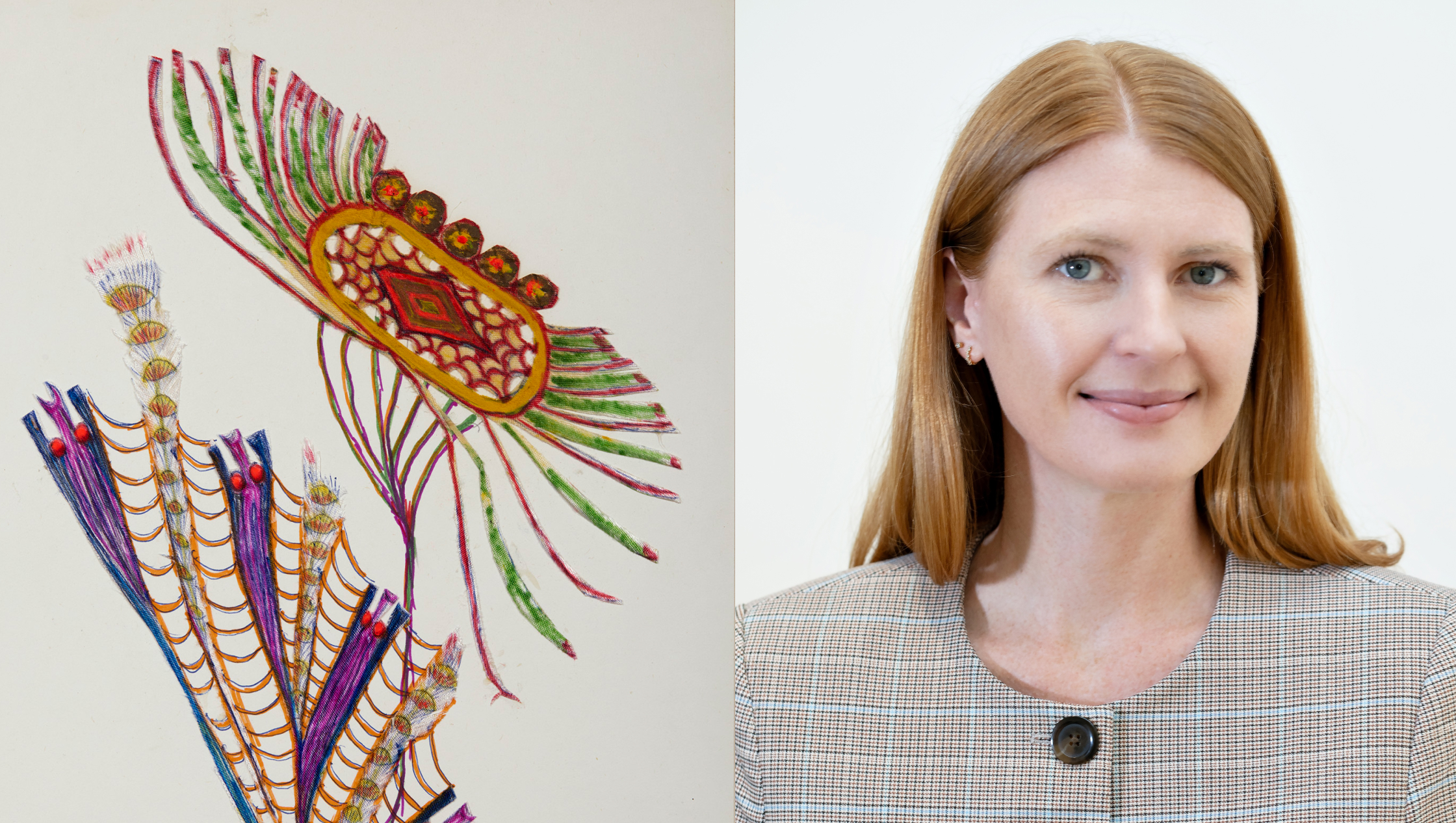
Cover images: Artwork (left): Anna Zemánková, Untitled, Late 1970s - early 1980s. Courtesy of Calvin-Morris Gallery. Portrait (right): Elizabeth Denny. Courtesy of Outsider Art Fair.
.jpg)

.png)


