
.jpg)

Expanding Access in the Arts: How Open Invitational and Arcual Are Building a More Inclusive Fair Model
Arcual is partnering with Open Invitational beginning with their Miami edition, providing the digital infrastructure that supports their mission to expand access, visibility, and professional resources for artists working in progressive art studios. This Miami presentation marks the start of our collaboration, which will continue with their forthcoming editions in San Francisco and Basel. You can explore Open Invitational’s Miami Storefront here.
Some of the most original contemporary art being made today isn’t coming out of blue-chip galleries or MFA programs. It’s emerging from progressive art studios that the broader art world rarely sees. Open Invitational was co-founded by gallerist David Fierman (Fierman Gallery) and Miami-based arts patron Ross McCalla to change that. The fair grew out of Fierman’s work at The Living Museum, the landmark studio inside a New York psychiatric hospital, where he saw artists producing rigorous, genre-defying work without the pathways that typically support contemporary art careers.
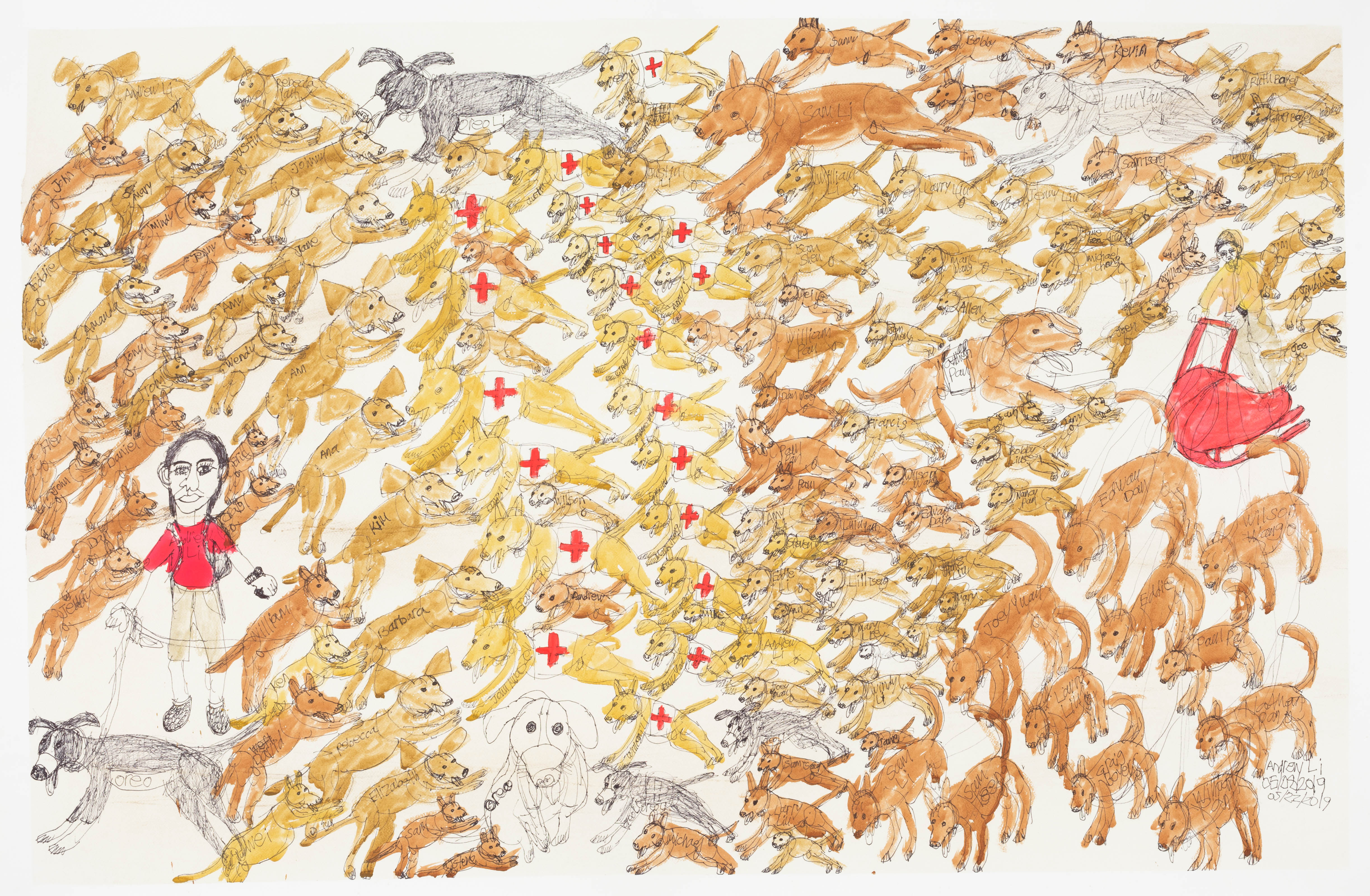
Many of the studios Open Invitational partners with operate on fragile combinations of Medicaid funding, private donations, and modest sales, leaving little room to engage with the resources, networks, or market infrastructures that shape visibility in the art world. Fierman recognized that the issue wasn’t artistic ambition or talent; it was access. Because of this, Open Invitational operates as a non-profit art fair and offers exhibition participation at no cost, ensuring studios that would not otherwise have access to commercial art fairs can still be visible on an international platform.
Open Invitational describes itself as “a contemporary art fair model dedicated to progressive art studios,” and its ethos reflects that: a commitment to access, agency, and a more humane art-world structure. The fair positions these artists firmly within contemporary art, avoiding labels that have historically constrained how their work is contextualized.
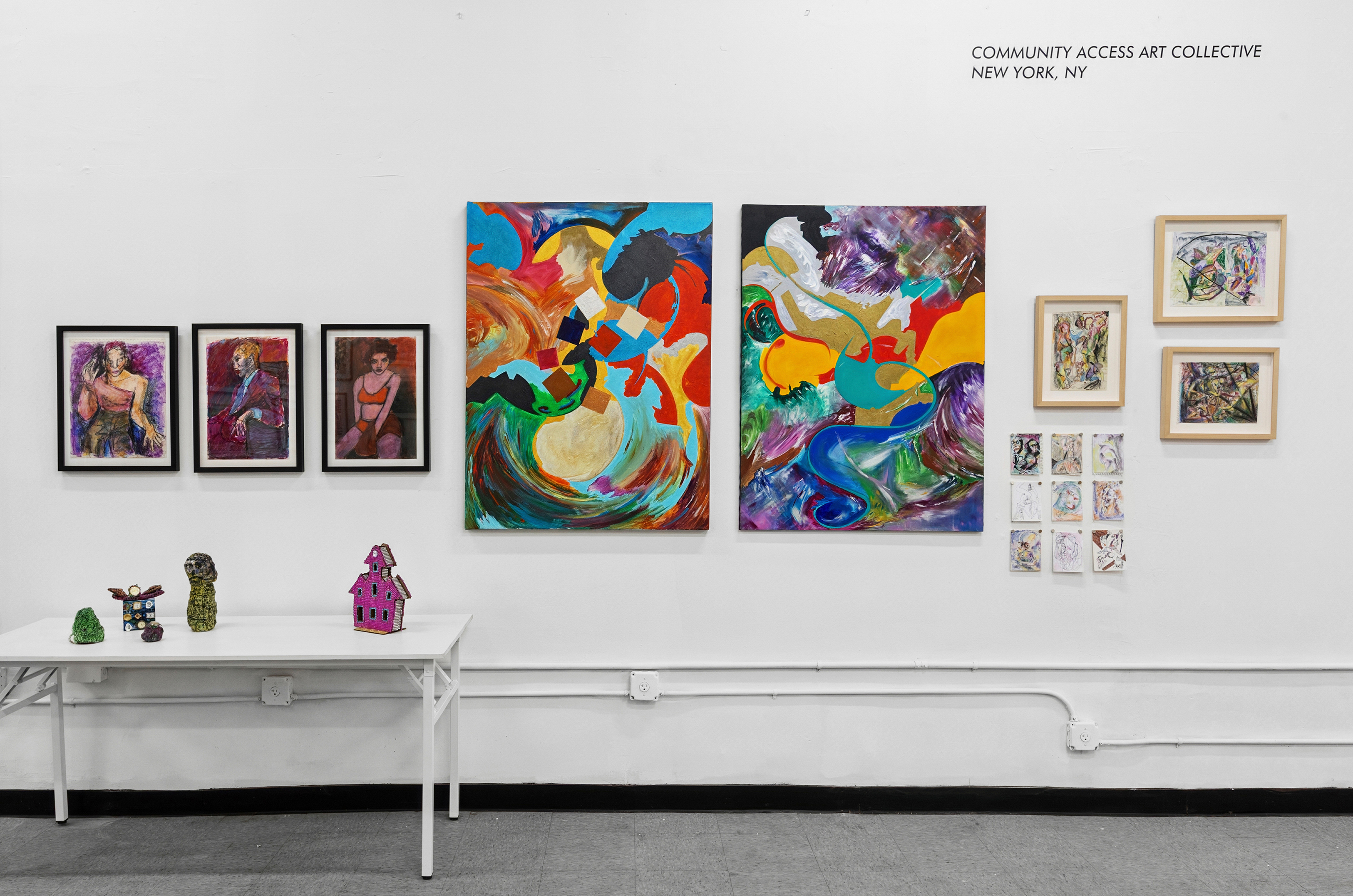
To support this mission, Open Invitational uses Arcual’s digital tools to provide the kind of professional infrastructure–online viewing rooms, provenance documentation, and discoverability features–that galleries rely on to introduce artists to broader audiences. By integrating Arcual, the fair ensures each studio’s artists are presented with the same standards of documentation and clarity expected at major fairs, helping level the structural inequities that often determine who is taken seriously.
Studios participating in the fair describe both aesthetic and structural impact. “Having a beautiful presentation in Miami reinforces our artists’ inclusion in the contemporary conversation,” says Harriet Salmon of Creativity Explored, a 40-year-old studio supporting artists with disabilities. “It opens doors far beyond the fair booth.”
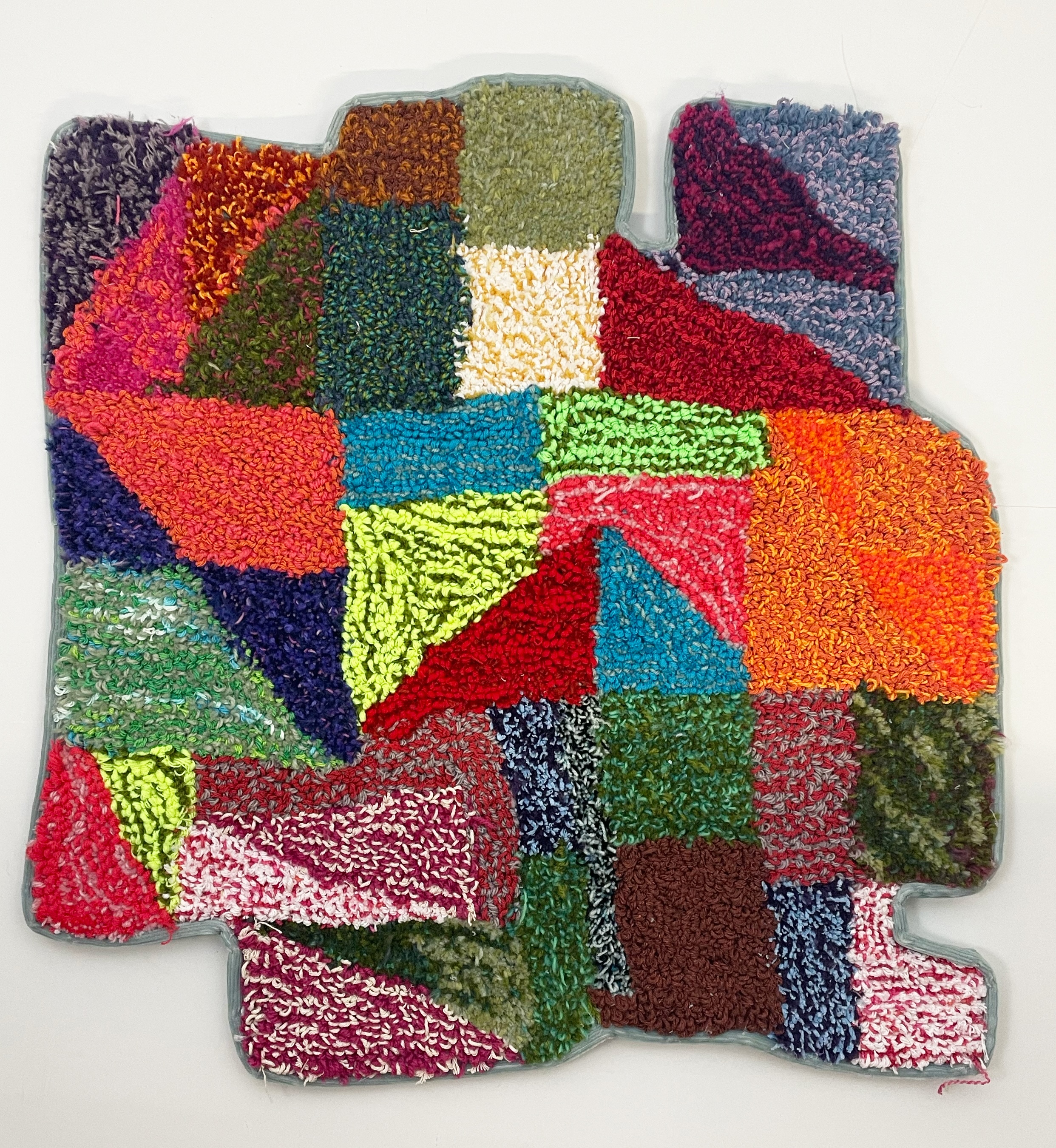
For many artists, increased visibility leads to meaningful career shifts. Open Invitational has helped artists secure new opportunities ranging from gallery interest and representation conversations to inclusion in group shows and institutional outreach–demonstrating how recognition can quickly reshape both professional prospects and personal agency. Several participating studios have also seen heightened attention from institutional partners, including SFMOMA, signalling a broader shift in how this work is being recognized and understood.
The community dimension is equally significant. “Open Invitational is more than an exhibition; it is a passionate network of fans who hold deep reverence for these artists and the impact their work has on our lives,” notes Amy Sharp of Community Access Art Collective.
.jpg)
As Open Invitational expands to forthcoming presentations in San Francisco (during FOG) and Basel, it offers a model that foregrounds collaboration over competition, and underscores the urgency of supporting artists whose studios operate at the intersection of creativity, care, and social infrastructure. In a moment when the art world is reexamining its own systems, Open Invitational–supported by Arcual–offers a working blueprint for a more inclusive, equitable, and culturally expansive future.
.png)
.png)


